
FOB vs CIF for Tow Truck Purchase

When importing a tow truck or wrecker from an overseas manufacturer, buyers often struggle to choose the right shipping term. The two most common Incoterms in the commercial vehicle industry are FOB (Free On Board) and CIF (Cost, Insurance & Freight). Each option has different responsibilities, risks, and cost structures — and choosing correctly can save thousands of dollars and prevent shipping delays.
This guide explains FOB and CIF in clear language and helps you decide which term is better for your tow truck order.
What Is FOB for Tow Truck Shipments?

Under FOB, the supplier is responsible for:
- Delivering the tow truck to the port of loading
- Handling export customs
- Loading the vehicle safely onto the vessel
Once the tow truck is loaded on board, all risks and costs transfer to the buyer.
Why Many Buyers Prefer FOB
FOB offers several advantages:
- Full control of ocean freight
You choose your own forwarder, shipping line, and schedule. - Transparent cost structure
You know exactly how much you pay for freight and insurance. - Better for buyers with stable logistics partners
Many repeat buyers negotiate lower freight rates than suppliers. - Easier handling for large or heavy-duty tow trucks
Heavy wreckers, rotators, and flatbed tow trucks often require special equipment or roll-on/roll-off (RoRo) shipping, and buyers want direct control.
FOB is ideal if you already work with a trusted shipping agent or import a large number of vehicles.
What Is CIF for Tow Truck Shipments?
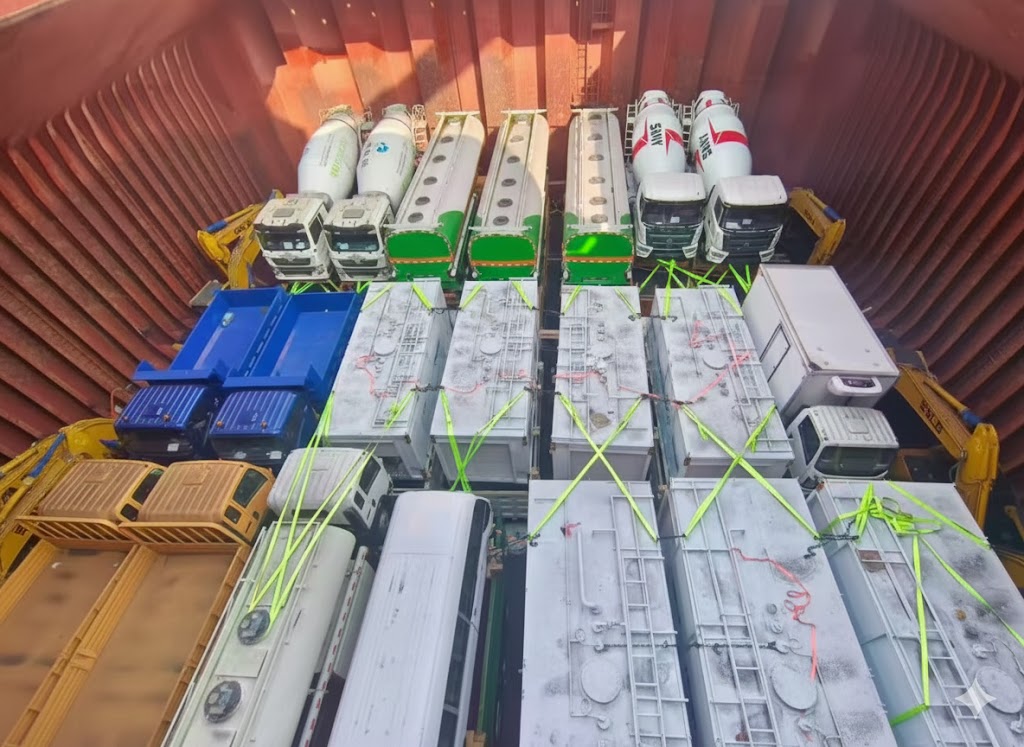
Under CIF, the supplier arranges:
- Ocean freight
- Marine cargo insurance
- Delivery to your destination port
The buyer takes responsibility after the tow truck reaches the arrival port.
Why Some Buyers Choose CIF
CIF offers convenience:
- Simplifies the process
You don’t need to handle freight booking or insurance yourself. - Lower workload for first-time buyers
Especially helpful for new importers unfamiliar with shipping rules. - Predictable total price
Freight and insurance are already included in the supplier’s quotation.
CIF is often selected by new buyers, small businesses, or customers with no freight forwarder.
FOB vs CIF: Key Differences for Tow Truck Imports
| Item | FOB | CIF |
|---|---|---|
| Who arranges freight | Buyer | Supplier |
| Who pays freight | Buyer | Supplier |
| Risk transfer | When truck is loaded on ship | When ship arrives at destination port |
| Cost transparency | High | Medium |
| Best for | Experienced importers | First-time buyers |
| Insurance | Buyer arranges | Supplier arranges |
Which Is Better for Your Tow Truck Order?
Choose FOB if:
- You frequently import vehicles or heavy machinery
- You have your own forwarder
- You want to minimize cost and maximize control
- You are importing heavy-duty wreckers or rotators requiring special shipping
Choose CIF if:
- You are a first-time buyer
- You prefer a simple “all-in” solution
- You want the supplier to handle all logistics until the destination port
Real-World Example
Client A (Chile) ordered a rollback wrecker using FOB.
He had a reliable freight forwarder with lower rates, saving over USD 1,500 in logistics costs.
Client B (Peru) ordered a flatbed tow truck using CIF.
He preferred the supplier to handle shipping to Callao Port since he had no local agent.
Both chose correctly based on their situation — the best Incoterm is the one that fits your experience and logistics setup.
Tips for First-Time Tow Truck Buyers
- Ask for both FOB and CIF quotations to compare
- Check transit time and shipping route
- Confirm whether the tow truck requires RoRo or container shipping
- Verify marine insurance coverage
- Calculate arrival port charges (these are not included in CIF)
Conclusion: Choose the Shipping Term That Matches Your Needs
FOB and CIF are both reliable options for tow truck imports, but they serve different buyer profiles:
- FOB gives you more control and often a better final cost
- CIF is simple, convenient, and beginner-friendly
If you are unsure which option is better for your tow truck project, our team can provide transparent quotes for both terms and help you evaluate shipping costs to your port.
Get a free FOB & CIF quote today — we will reply within 12 hours.